
Fabled Brew Works Introduces Their Non-Alcoholic Beer: But How’d They Do It, And Is It Any Good?
Written By: The Gnarly Gnome
Photography By: The Gnarly Gnome
1/29/2026
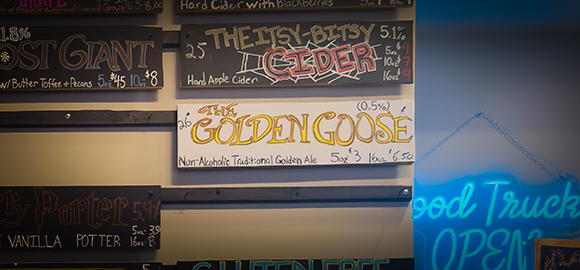
It’s hard to ignore the rise of non-alcoholic beer in today’s craft beer market. While it still remains to be seen how big this sub-market can or will get, there’s a niche group of people or situations that is loudly calling for more, or better non-alcoholic answers to the craft beer that we’ve fallen in love with, and there are plenty of places (yes, even here in Cincinnati) that are attempting to answer that call.
Case in point: Fabled Brew Works down in Erlanger, Kentucky, is the latest local spot to roll out their own Non-Alcoholic beer. It intrigued me, so I stopped by to give it a taste and break down how they are making something that, for years, so many breweries have struggled to make and, more importantly, to make taste good.
The Problems With Non-Alcoholic Beer
There’s a lot to unpack with this. The problems with non-alcoholic beer have historically far outweighed the benefits it brings to the party, but I’ll try to unpack them all.
You’d think that flavor itself would be very high on everyone’s list. When I’m picking my beverages, I know it ranks pretty high for me as an important factor… and, traditionally, non-alcoholic beers just don’t taste very good. Alcohol itself can carry flavor and aroma. When you remove it from the product, malt can tend to taste thin or cereal-like. Hops can lose their punch, and you get a strange, unfermented “tea-like” beverage that isn’t very fun.
If you stop fermentation early (one of the many techniques that brewers use to make Non-Alcoholic beers), you’re left with a lot of residual sugars (that’s one of the things that yeast loves to eat). When these sugars are left behind, you get a cloying, strange, sweet beer that is desperate for more hops or acidity to balance out the sweetness.
If you use vacuum distillation or reverse osmosis to remove alcohol from your finished beer, it can also strip out many of the volatile hop aromatics along with it. Brewers have sometimes attempted to re-dose the aroma after the fact, which can quickly start to feel artificial if done poorly.
All reasons to drink the real stuff, right?
That’s not even to mention the beverage’s safety. Alcohol is a natural preservative, and without it, beer is more prone to spoilage. The shelf life of these beverages gets very tricky, and your packaging practices have to be spot on to keep things clean and safe.
What you’re left with is a beverage that’s really hard to do well, and even harder to do well safely. It’s expensive to do right, and when other places are already doing it, it’s usually easier for a craft brewery to just lean on its products, given the small size of the current market for the stuff.
Craft Beer Isn’t Always About Doing Things The Easy Way
Always looking for a challenge to overcome, local craft breweries aren’t shy about trying their hand at crafting NA beverages that not only meet the needs of folks looking for Non-Alcoholic options, but do so without compromising the things they love about beer.
Thanks to all sorts of technological advancements over recent years, like Maltose-negative and low-attenuating yeasts, cold fermentation techniques, better aroma capturing and re-integration processes, along with a new desire to actually craft recipes built for NA, not adapted for it
That’s where we finally get to the latest spot here in town to throw its hat in the ring: Fabled Brew Works.
The Golden Goose
When I heard that Fabled was tapping their own Non-Alchoholic beer in their taproom, I had to make some time to stop by as soon as possible. I needed to know how they did it, and more importantly… how it tasted.
I’m sort of like a scientist. A drunken scientist.
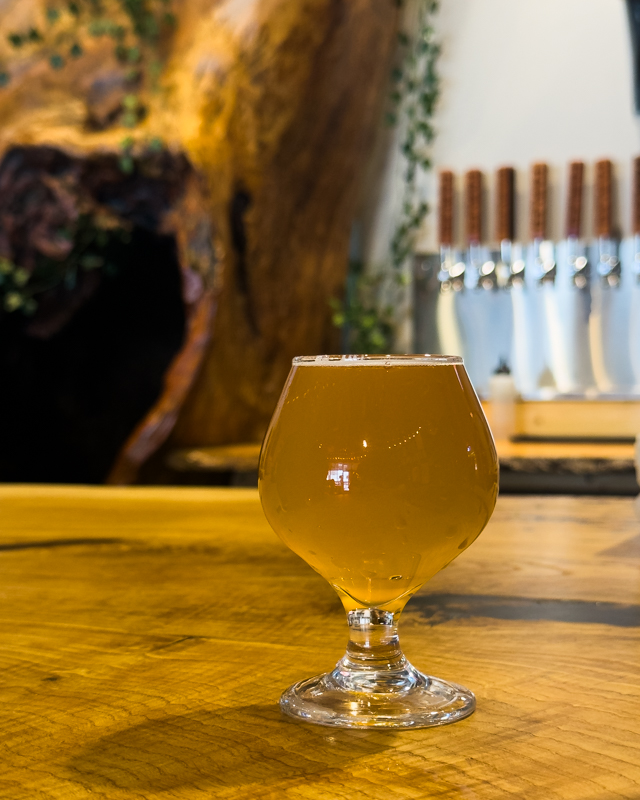
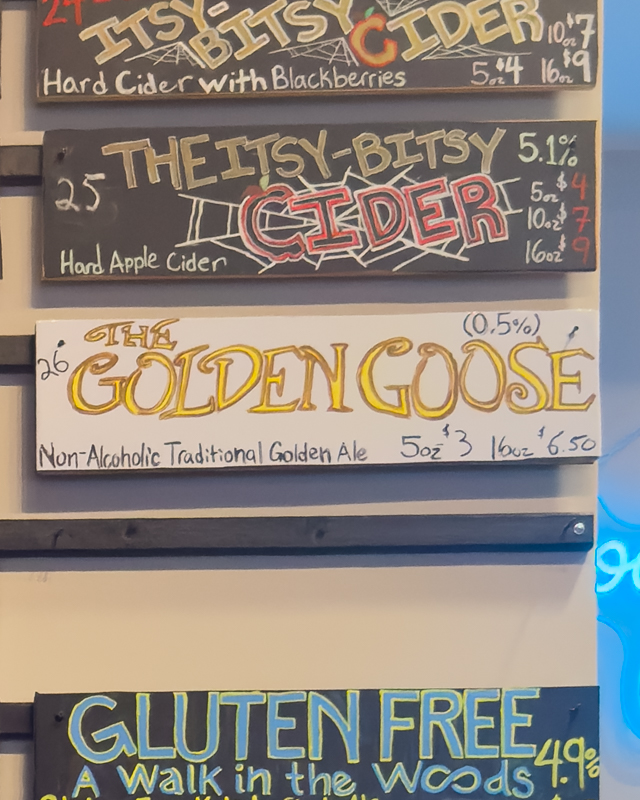
They call The Golden Goose a Non-Alcoholic Golden Ale. In my glass, it pours (without much surprise) a golden yellow color. It’s hazy, with a fluffy white head. The initial aromas are bright and hoppy. I get a lot of citrus aromas… but there’s also a little extra pop of something else. As the beer warms, more of that “something else” becomes apparent. It’s not bad, but it is a giveaway that the beer is non-alcoholic.
The flavor is light and leans heavily toward the sweet end of the spectrum. The hops are there, pulling it back and keeping it in line, not lending much in the way of bitterness; instead, they use their citrusy character to provide a flavor that overpowers the “unfermented malt-tea” flavor that plagues so many NA beers.
It’s what I’d call a solid NA beer, and when you factor in the fact that this is the first attempt from Fabled at the style? I’d call it good. It’s very far from the non-alcoholic beers that I remember trying early on in my drinking life… and gives me hope for what this category will look like in a few years’ time if places continue to put effort into developing their own.
So, How’d They Do It?
Listen… there’s a lot of people trying to figure out how to do this without investing a massive amount of capital into some proprietary technology. I mentioned earlier that this is all expensive. This is where this all gets really exciting for a nerd like me. Small breweries are finding ways to work their system, to tweak processes and to utilize new ingredients in ways that can produce not just a beverage that has under .5% abv, but does it in a way that is safe to consume, and safe to consume off both their draft system as well as in packaging.
Innovation, creativity… it’s the foundation that craft beer was built on – and even if I’m not always grabbing a pint of non-alcoholic beer: this is the stuff that makes me really happy and fuels the curiosity.
My Takeaway
This isn’t the beer that solves that conundrum of a non-alcoholic beer that actually replaces traditional beer for me. It might work in some situations, but it’s still just not as good. This is the biggest problem the category faces. These beers aren’t competing with Coca-Cola, tea, or fizzy water; they are competing with traditional beer and the expectations that come along with that.
If they slip on any one aspect of their character, they lose points, and most drinkers will walk away disappointed.
I’m not saying that folks who don’t drink, or can’t drink, or just really want to “keep the party rolling when they’ve had enough” will turn their noses up – but the category will always struggle if it can’t keep advancing closer and closer to that goal.
We aren’t there yet. But we’re closer today than ever before!
Great write up, Gnome! NA is definitely a tough one, both to brew and judge!